

Coconut Syrup vs Agave Nectar: Which Natural Sweetener Is Right for You?
June 02 , 2026
The demand for natural sweeteners is at an all-time high, with people giving up refined sugar like never before. From the health enthusiast to the gourmet chef or food entrepreneur aiming to streamline their product line, there is a lot riding on your sweetener choices. Coconut syrup and agave nectar are two of the most common choices when comparing natural alternatives to refined sugar. But can either of these sweeteners really deliver on the promises that they have made?
Find out by checking out this comprehensive guide. If you are a food entrepreneur and you want to give your business a competitive edge, then buying bulk coconut palm syrup may be just the way to do it. Visit https://www.nectave.com/ to learn more about premium quality products available at Nectave.
Key Takeaways
- The glycemic index of coconut syrup is relatively low when compared to that of agave nectar; hence, it is more beneficial to individuals with high blood sugar levels.
- Bulk coconut palm syrup products have a higher amount of nutrients like potassium, iron, and zinc, unlike agave syrup.
- Agave nectar contains high amounts of fructose, which may harm liver function and metabolism.
- Companies supplying coconut syrup in bulk have an added advantage in terms of sustainability and rising consumer interest in such products.
- The two sweeteners are derived from plants; however, the former stands out nutritionally and environmentally.
What is Coconut Syrup?
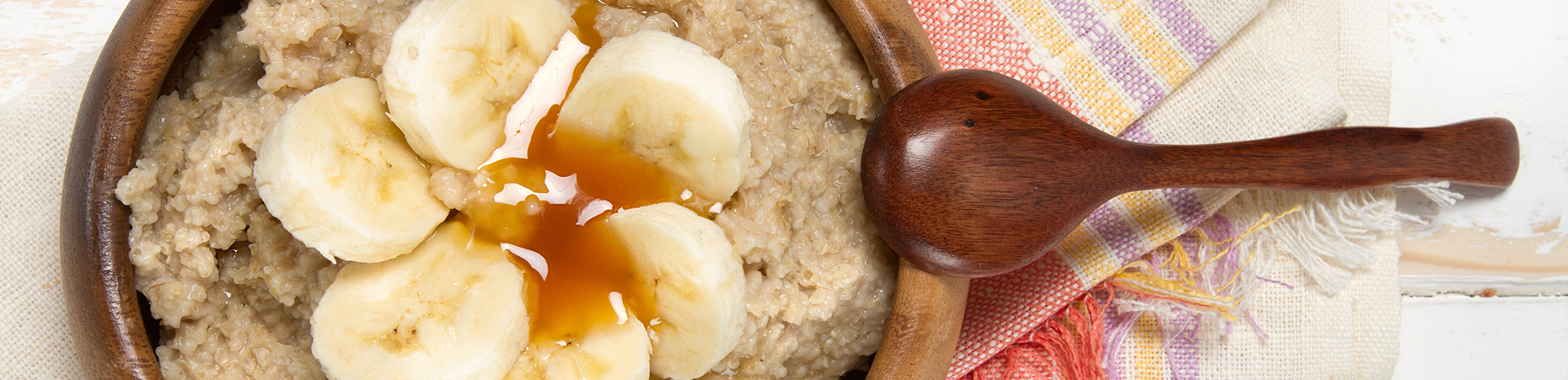
Coconut syrup, sometimes referred to as coconut palm syrup, is extracted from the flower blossoms of coconut palms. The blossoms are tapped for their nectar, which is then reduced to create a syrup that is amber in color and has a mild caramel-like taste.
The benefits of coconut syrup lie in its ability to retain vitamins and minerals. Coconut syrup also has a high concentration of inulin, a soluble fiber that aids in gut health. Coconut syrup has a glycemic index of 35, compared to table sugar’s glycemic index of 65.
What Is Agave Nectar?
Agave nectar is made from blue agave, a Mexican plant. It is obtained by extracting the liquid from the heart of the plant and filtering and heating it to produce a liquid sweetener. It varies in color from clear to dark amber, and its flavor is mild and blends well with various foods and drinks.
Agave nectar became very popular at the beginning of the twenty-first century due to being promoted as “diabetic-safe.” However, recent studies found that the nectar contains 55% to 90% fructose.
Nutritional Comparison: Which Is Better?
Below is a comparison of the nutritional value of each tablespoon of either product:
- Glycemic Index: Coconut syrup (35) vs. Agave syrup (15-30, though misleading because of high fructose content)
- Fructose: Coconut syrup (45%) vs. Agave syrup (55-90%)
- Minerals: Coconut syrup has potassium, iron, zinc, and B vitamins, while agave has virtually no mineral content
- Inulin fiber: Found in coconut syrup, but not in refined agave syrup
- Calories per tablespoon: Each has about 60 calories
Controversies Surrounding the Glycemic Index
Agave syrup may be marketed as having a low GI value, and in technicality, that is the case. However, the glycemic index measures the rate at which glucose reaches the bloodstream and not fructose, which makes up the composition of agave. The agave bypasses all glucose processes and goes straight into the liver, causing it to be metabolically worse than its low GI level would indicate.
This is where coconut syrup stands out since it provides a better alternative due to its composition of sucrose and glucose, along with the fructose, with added inulin.
Flavor Characteristics and Culinary Applications
Coconut Syrup is fantastic in:
- Muffins, cookies, and granola bars
- Toppings for pancakes and waffles
- Salad dressings and marinades
- Smoothies and other drinks
- Asian-style sauces
Agave Nectar is great in:
- Cold drinks due to fast dissolving
- Cocktails and virgin cocktails
- Vegan desserts
- Recipes that do not use any cooking process
Both types of sweeteners can be used as substitutes in a 1-to-1 ratio for sugar in any recipe; however, some decrease in liquids might be necessary for baking.
Sustainability & Source: An In-depth Analysis
Increasingly, companies are realizing that sustainability is a major factor in purchases. The coconut palm trees keep yielding sap for many years without being cut down; a single tree can continue giving sap for as long as 70 years, making coconut syrup among the most sustainable syrups.
Agave syrup, on the other hand, is not as sustainable: It takes between seven and fourteen years to mature. Moreover, commercial production of agave in Mexico has contributed to a decrease in biodiversity due to the impact on bats, which pollinate wild agave.
In this context, companies selling organic coconut syrup in bulk or wholesale coconut palm syrup should highlight the sustainability aspect when marketing their products.
Reasons Why Companies are Shifting to Coconut Syrup in Bulk
Companies such as food processors, coffee retailers, bakeries, and natural foods manufacturers have chosen coconut syrup in bulk based on the following factors:
- Clean label: Since coconut syrup has minimal processes needed, it can fulfill the current demand for clean labels.
- Versatility: Coconut syrup is flexible since it can be incorporated into both savory and sweet dishes.
- Reliability in the supply chain: There is always consistency among reputable providers of organic coconut syrup in bulk.
- Certifications: Organic and non-GMO certifications are readily available.
- Recognition by consumers: Consumers recognize coconut as an acceptable ingredient.
From the Palm Tree to Your Pantry
Although coconut palm syrup and agave nectar both offer several advantages over sugar, one thing that stands out when looking at various aspects of these two is that bulk coconut palm syrup is the clear winner. Its low level of fructose and its nutritional properties should not be overlooked.
Should you want to transition to healthier choices, consider Nectave. Whether for individual purchases or commercial purposes, the company will ensure you have the best quality products delivered to you. Find a wide variety of coconut-based natural sweeteners available on Nectave’s website.
FAQs:
- Which is healthier, coconut syrup or agave nectar?
Undoubtedly, it is coconut syrup, because it consists of natural ingredients and has a lower amount of fructose, plus there is a higher content of minerals and prebiotic fiber not present in agave syrup.
- Is there a chance of replacing agave nectar with coconut syrup on an equal ratio?
Of course, the substitution ratio is 1:1, except that the coconut syrup will have some caramel taste compared to agave.
- Where should I buy organic coconut syrup wholesale for my company?
There are companies, such as Nectave, where you can order wholesale organic coconut syrup in large volumes at good prices.
- Can coconut syrup lead to blood sugar fluctuations?
Not really, since the glycemic index of coconut syrup is around 35, which means it is suitable even for those people who cannot ignore their blood sugar levels.
- Is buying coconut palm syrup wholesale a smart step for businesses working with food products?
Certainly, by wholesale procurement you get the lowest price per product.
- June 02 , 2026
- Matt
Tags : bulk coconut palm syrup coconut syrup bulk organic coconut syrup bulk wholesale coconut palm syrup
 Request a free quote
Popular Post

How Much Does Reducing Agave Actually Change the Calorie Count?
How much can you actually save by cutting the agave in your margarita? The answer...

How Refined Avocado Oil Behaves in Continuous High-Heat Production Lines
Continuous high-heat production doesn’t leave much room for oil that behaves inconsistently. The oil needs...

Why Some Bakeries Prefer Refined Avocado Oil in Laminated Doughs
Why would a bakery choose avocado oil for a product where butter and other traditional...